
What I Learnt About Menopause at Wahini Health, and How It Will Shape My Care at Vyne
Recently, I attended a menopause seminar hosted by Wahini Health. The event brought together practitioners working across endocrinology, cardiovascular health, nutrition, pelvic health, sexual health and women's wellbeing.
I left with a deeper appreciation of how widely perimenopause and menopause can affect a woman's physical health, emotional wellbeing, relationships and overall sense of self.
For the women in our Vyne Health community, I wanted to share some of what I learnt, not only to increase awareness, but also to explain how this education will influence the questions I ask, the limits I recognise and the referrals I may recommend in clinic.
Menopause is often reduced to hot flushes, mood changes and the end of menstruation. In reality, the menopausal transition may affect sleep, cognition, skin, bones, muscles, cardiovascular health, the bladder and vagina, sexual wellbeing and mental health. Experiences vary considerably from one woman to another [1].
Menopause Is a Whole Body Transition
During perimenopause, hormone levels do not necessarily decline in a smooth or predictable way. Oestrogen may fluctuate substantially before remaining at a lower level after menopause. Follicle stimulating hormone (FSH) can also vary, which is one reason a single hormone test is not always useful for diagnosing perimenopause in women over 45 [1,2].
These hormonal and physiological changes may be accompanied by:
- Hot flushes and night sweats
- Sleep disturbance
- Mood changes, anxiety or irritability
- Poor concentration, forgetfulness or "brain fog"
- Headaches or migraines
- Muscle and joint symptoms
- Vaginal, bladder or sexual symptoms
An important message from the day was that women experiencing these changes are not simply "failing to cope." Symptoms can be real and disruptive, and they deserve thoughtful assessment.
At Vyne, this means looking beyond an isolated complaint. When a woman presents with headaches, poor sleep, anxiety or fatigue, I may also ask whether her menstrual pattern has changed, whether she is experiencing night sweats, or whether there have been changes in mood, cognition, vaginal comfort or urinary function. At the same time, not every symptom in midlife is caused by menopause.
A Chinese Medicine Perspective
Within traditional Chinese medicine theory, menopause is viewed as a natural life transition rather than a disease. Traditional frameworks commonly describe changes involving the Kidney system and reproductive essence, or Jing. These are traditional Chinese medicine concepts; they are not equivalent to biomedical diagnoses or proven explanations of menopausal physiology.
A Chinese medicine assessment considers the pattern in which symptoms occur. One woman may mainly report heat, dryness, night sweats and difficulty staying asleep. Another may feel cold, exhausted and emotionally flat. Others may be more affected by headaches, irritability, digestion or urinary symptoms.
How I Will Use This Information at Vyne
The seminar encouraged me to ask broader and sometimes more personal questions when they are relevant and when a patient is comfortable discussing them.
A consultation may include questions about:
- Menstrual cycle changes
- Sleep, hot flushes and night sweats
- Mood, anxiety and irritability
- Concentration and memory
- Headaches or migraines
- Skin and hair changes
- Vaginal or urinary symptoms
- Pelvic pain or pain with intercourse
- Libido and sexual wellbeing
- Digestion and bowel habits
- Bone and cardiovascular risk factors
- The emotional and practical pressures occurring in a woman's life
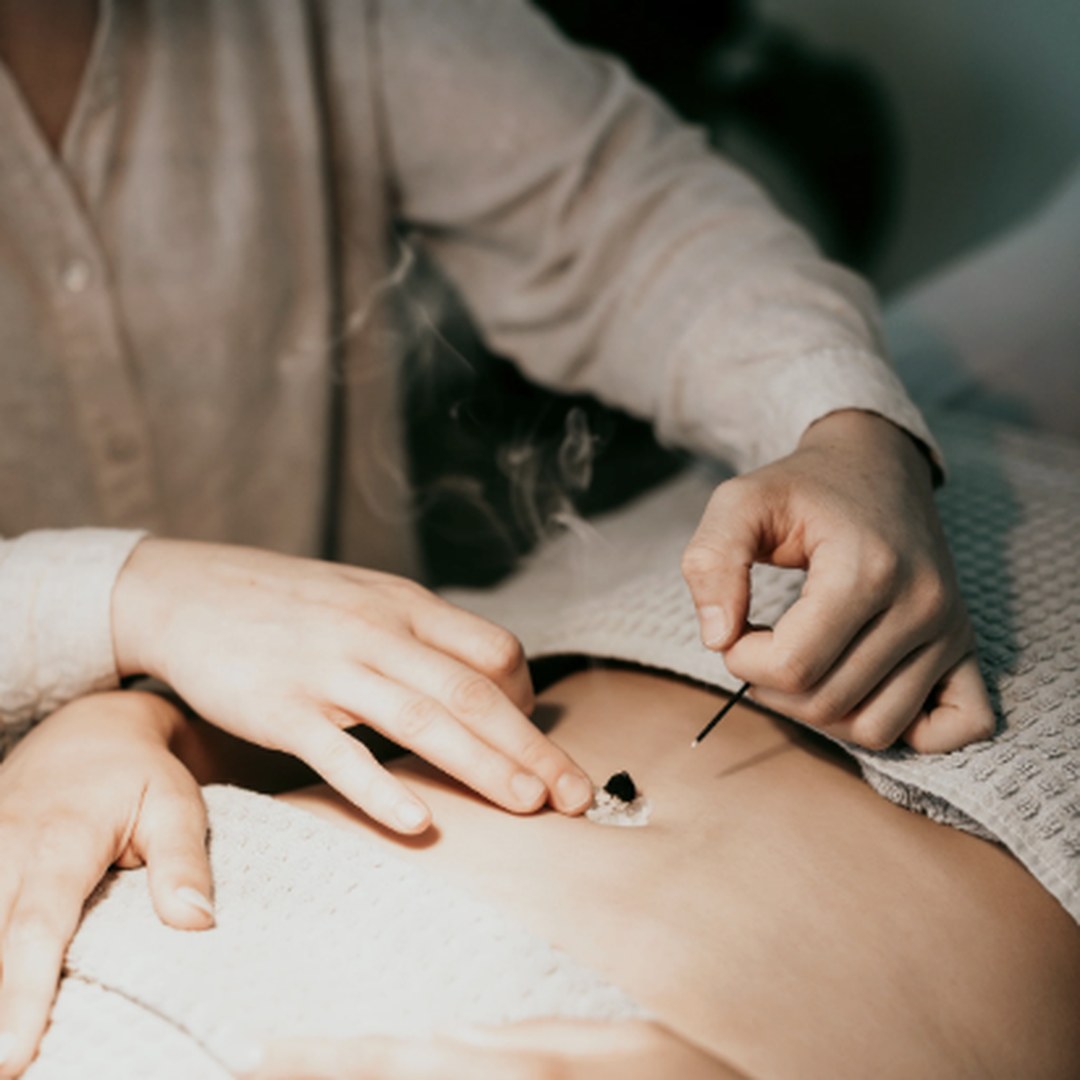
Some women choose acupuncture as complementary care during perimenopause or menopause. The evidence for acupuncture specifically for menopausal hot flushes remains uncertain: a Cochrane review found insufficient evidence of a meaningful difference compared with sham acupuncture, although some studies reported improvement compared with no treatment [3]. Therefore acupuncture cannot balance hormones nor be a replacement or substitute for MHT.
Skin, Hair and Connective Tissue Changes
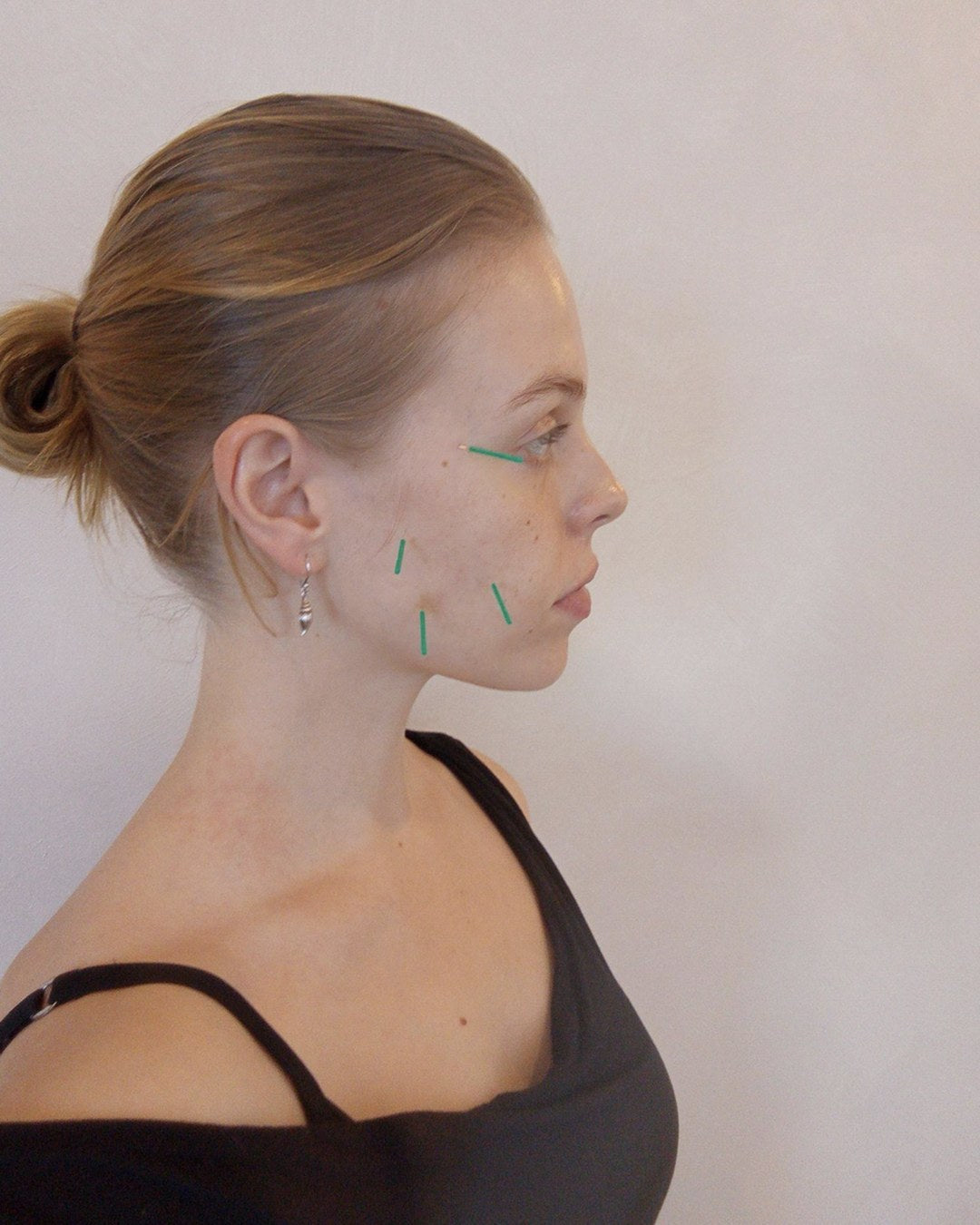
Oestrogen decline is associated with changes in collagen, skin thickness, elasticity and moisture. Women may notice dryness, increased sensitivity, reduced elasticity, more visible lines or changes in hair growth and density. Ageing, sun exposure, smoking, genetics, nutrition and medical conditions also contribute, so these changes should not automatically be attributed to menopause alone [4].
From a Chinese medicine perspective, skin and hair concerns may be considered alongside sleep, stress, digestion and other features of the individual presentation. However, medical and nutritional contributors such as iron deficiency, thyroid disease, medication effects or inadequate protein intake may also require assessment.
Protecting Bone Health
Bone loss accelerates around menopause because oestrogen plays an important role in bone remodelling. Bone health is influenced by many factors, including age, family history, body weight, nutrition, smoking, alcohol, physical activity, medications and the age at which menopause occurs [5].
General bone health strategies may include:
- Adequate dietary calcium (did you know Healthy Bones Australia recommends 1,300 mg per day for women aged 50 years and over! I know for myself I am not hitting that mark and it is so important as we get older)
- Adequate vitamin D
- Sufficient dietary protein
- Progressive resistance and weight-bearing exercise
- Avoiding smoking
- Limiting excessive alcohol
- Medical assessment of individual osteoporosis and fracture risk
A bone density scan is not required for every woman at menopause, but it may be recommended when risk factors are present. This is relevant in Chinese medicine practice because musculoskeletal pain should not automatically be attributed to tension, ageing or a traditional pattern.
Menopausal Hormone Therapy
Menopausal hormone therapy (MHT) is the most effective medical treatment for vasomotor symptoms such as hot flushes and night sweats. It can also prevent bone loss and may be used for other menopausal symptoms when clinically appropriate [6].
The decision to use MHT is individual. Benefits and risks vary according to a woman's age, time since menopause, symptoms, medical history, formulation, dose and route of administration. Women with an intact uterus generally require a progestogen with systemic oestrogen to protect the endometrium [6].
One of my goals at Vyne is to support women regardless of whether they choose MHT, are unable to use it or are still considering their options. Acupuncture and lifestyle support may sit alongside medical treatment rather than being positioned as an alternative to it.
Women should never feel judged for choosing or not choosing hormone therapy.
Premature Ovarian Insufficiency
Premature ovarian insufficiency (POI) refers to loss or significant impairment of ovarian function before the age of 40. It may have implications for fertility, bone health, cardiovascular health, sexual wellbeing and psychological health [7].
For a woman under 40 with persistent irregular or absent periods, it is important not to assume that stress or a Chinese medicine pattern is the sole explanation. Medical assessment is essential. Current international guidance generally recommends hormone therapy until the usual age of natural menopause unless there is a contraindication [7].
Vaginal and Urinary Changes
Genitourinary syndrome of menopause (GSM) describes menopausal changes affecting the vulva, vagina, bladder and urethra. Symptoms may include vaginal dryness, burning, irritation, pain with intercourse, urinary urgency or frequency and recurrent urinary tract infections. Unlike hot flushes, these symptoms often persist and may worsen without appropriate management [8].
Management may include vaginal moisturisers, lubricants, local vaginal oestrogen and pelvic health physiotherapy, depending on the individual. New pain, bleeding, offensive discharge, blood in the urine or persistent urinary symptoms require medical assessment [8].
In clinic, I want women to know that vaginal, bladder and sexual symptoms are legitimate health concerns and can be discussed without embarrassment.
We Need to Talk More Openly About Sexual Health
Sexual difficulties are common around menopause but are frequently under-reported. Sexual wellbeing is multifactorial: hormones may play a role, but pain, sleep, mood, stress, medication, body image, past experiences, relationship quality and emotional intimacy may also be important [9].
With permission, I may ask questions such as: "Have you noticed any discomfort with intercourse?" or "Have there been changes in sexual desire that are concerning to you?" The purpose is not to be intrusive, but to create an opportunity to discuss concerns that might otherwise remain unspoken.
For one woman, treating vaginal dryness or pain may be central. Another may benefit from medication review, relationship counselling, psychological care or support for chronic exhaustion. Sexual desire cannot be understood by looking at hormone levels alone [9].
Menopause and Relationships
A discussion that particularly stayed with me was the effect menopause may have on relationships.
A partner may enter counselling saying, "She has changed. She is irritable and no longer wants sex."
However, the woman's experience may be much more complex.
She may have felt emotionally unsupported for years. She may have carried most of the household, parenting or caring responsibilities. Sex may have begun to feel like an obligation rather than a mutually enjoyable and connected experience [9].
Perimenopause does not necessarily create every relationship problem. Sometimes it intensifies or reveals problems that were already present.
With disrupted sleep, changing hormones and reduced emotional capacity, some women become less willing to continually prioritise another person's comfort at the expense of their own wellbeing. They may no longer have the energy to suppress their feelings or maintain harmony within an unequal relationship.
This does not mean hormones should be blamed for every relationship breakdown. It means we need to listen to the full story rather than reducing a woman's concerns to irritability or low libido.
Breathing and Pelvic Floor Health
Pelvic floor health was another fascinating part of the seminar.
Many women breathe predominantly into the upper chest, using a shallow breathing pattern without allowing the diaphragm and lower ribs to expand fully.
The diaphragm and pelvic floor normally move together. During a relaxed inhalation, the diaphragm descends and the pelvic floor gently lengthens. During exhalation, the diaphragm rises and the pelvic floor naturally recoils [10].
Some women have weak or underactive pelvic floor muscles. Others have an overactive pelvic floor that struggles to relax.
An overactive or poorly coordinated pelvic floor may contribute to:
- Pelvic pain
- Pain during intercourse
- Urinary urgency or frequency
- Constipation
- Difficulty emptying the bladder or bowel
- A sensation of constantly gripping or holding tension
This is why strengthening exercises such as Kegels are not appropriate for every woman.
During an acupuncture treatment, I may incorporate gentle breathing guidance to help a patient become more aware of abdominal, rib and pelvic movement.
Cues may include:
- "Allow your breath to expand through the lower ribs and abdomen."
- "As you inhale, imagine the pelvic floor softening."
- "As you exhale, allow it to naturally recoil without gripping."
This may support relaxation and nervous system regulation, but it does not replace a pelvic floor assessment. When pelvic floor symptoms are present, a women's health physiotherapist can determine whether the muscles are weak, overactive or poorly coordinated [11].
Supporting Comfort and Wellbeing
From a Chinese medicine perspective, emotional and physical symptoms are not viewed as completely separate.
Stress, disrupted sleep, pain, relationship strain and physical symptoms may all influence one another. A woman who is sleeping poorly because of night sweats may have less emotional capacity during the day. Painful intercourse may lead to anxiety around intimacy. Chronic stress may contribute to muscular tension, headaches and digestive disturbance.
Acupuncture treatments may focus on creating a calm environment, reducing physical tension and supporting the person's overall sense of regulation and wellbeing.
The aim is not to suggest that stress causes every menopausal symptom. Rather, supporting the nervous system may be one useful part of a broader and more comprehensive approach.
Gut Health and Nutrition
The seminar also discussed the estrobolome, the collection of gut bacteria involved in processing oestrogen.
This is still an emerging area of research, and gut health should not be presented as a cure for menopause. However, supporting digestion, fibre intake and dietary diversity can benefit overall health [12].
General strategies may include:
- Eating a wide variety of plant foods
- Obtaining adequate fibre
- Including legumes, soy foods and flaxseed
- Eating fermented foods where well tolerated
- Consuming sufficient protein
- Supporting regular bowel movements
From a Chinese medicine perspective, digestive function is often considered fundamental to the production of Qi and Blood. However, dietary recommendations should remain realistic and individualised.
A woman already feeling overwhelmed does not need a highly restrictive diet or an extensive list of rules. Sometimes beginning with regular meals, adequate protein, hydration and a few additional plant foods is more supportive than attempting to make every change at once.
Cardiovascular Health Must Not Be Overlooked
Cardiovascular risk generally increases as women move through menopause.
Women may also experience heart attack symptoms differently from the classic severe chest pain many people expect. Symptoms can include [13]:
- Jaw, shoulder, neck or upper back discomfort
- Chest pressure or discomfort
- Shortness of breath
- Nausea or vomiting
- Sweating
- Dizziness
- Unusual fatigue
Previous pre-eclampsia, gestational hypertension or gestational diabetes may also be associated with a higher lifetime cardiovascular risk.
This reinforced the importance of regular medical reviews, including blood pressure, cholesterol and blood glucose assessment.
Chinese medicine treatment should never delay urgent medical attention. New chest discomfort, difficulty breathing, faintness or sudden jaw, neck or upper back pain requires prompt assessment.
Mental Health Changes Need to Be Taken Seriously
Perhaps the most confronting part of the seminar was the discussion surrounding menopause, mental health and suicide risk.
Some women experience new or worsening:
- Depression
- Anxiety or panic
- Agitation and irritability
- Intrusive thoughts
- Severe insomnia
- Emotional overwhelm
- A sense of no longer recognising themselves
- Suicidal thoughts
Hormonal fluctuations may interact with a history of depression, bipolar disorder, trauma, severe premenstrual mood symptoms, sleep deprivation, pain, bereavement, work stress, relationship breakdown and changing identity [14].
Not every woman will experience a mental health crisis during perimenopause. However, significant changes in mood or behaviour should never be dismissed as "just hormones."
As practitioners, we need to ask women how they are coping, not merely whether they are having hot flushes.
Not Every Symptom Is Menopause
Another important lesson was not to attribute every new symptom to menopause without considering other possible causes.
Depending on a woman's history and presentation, further investigation may include:
- Pregnancy testing
- Thyroid function
- Iron studies
- Vitamin B12 and folate
- Prolactin
- Blood glucose and cholesterol
- Pelvic ultrasound
- Bone density assessment
- Investigation for sleep apnoea
Some women with ADHD report that concentration, organisation and emotional regulation become more difficult during perimenopause. It also appears increasingly common for women to be first recognised or diagnosed with ADHD during their 40s and 50s, when hormonal fluctuations, disrupted sleep and the demands of midlife may make previously manageable symptoms more noticeable. Research in this area is still developing, but these experiences deserve to be heard, assessed and investigated rather than dismissed as simply "brain fog" or ageing [15,16].
What This Means for Our Vyne Community
My greatest takeaway from Wahini Health was the importance of listening to women and taking their concerns seriously.
Women should not be expected to tolerate painful sex, bladder symptoms, severe insomnia, overwhelming anxiety or feeling disconnected from themselves simply because they have reached midlife.
As an acupuncturist, I want to create a space where women feel comfortable discussing the complete picture of their health. This includes symptoms that may feel sensitive, embarrassing or difficult to explain.
Chinese medicine allows me to look at how symptoms connect and to tailor treatment to the individual. The seminar also reinforced the importance of recognising the limits of my role and collaborating with other health professionals.
Depending on a woman's needs, this may include working alongside:
- General practitioners
- Menopause specialists
- Pelvic health physiotherapists
- Psychologists
- Dietitians
- Sexologists
- Cardiologists
- Endocrinologists
Menopause is not a single experience, and support should never be a one size fits all.
For some women, this phase will be relatively smooth. For others, it can affect nearly every part of daily life. Both experiences are valid.
Although menopause can be a challenging transition, it can also represent a time of clarity, transformation and a deeper return to oneself. With education, respectful conversations and individualised care, women can feel understood and supported as they move through this next stage of life.
At Vyne Health, I hope to continue creating a space where women feel heard, where sensitive conversations are welcomed and where care considers the whole person, not only an isolated symptom.
Acknowledging the Wahini Health Speakers
The Beyond Hot Flushes: Contemporary Menopause Care for Primary and Allied Health Professionals education day was hosted by Wahini Health on Saturday 1 August. It brought together practitioners from gynaecology, endocrinology, cardiology, pelvic health, sexual and relationship therapy, and dietetics.
I am incredibly grateful to the speakers who generously shared their knowledge and experience:
Dr Sapna Dilgir: Obstetrician and Gynaecologist
Dr Sapna Dilgir, founder of Wahini Health, brought the gynaecological and whole woman perspective to the day. Her contribution helped connect the many ways perimenopause and menopause can affect the body, while reinforcing the importance of listening to women, investigating symptoms appropriately and providing coordinated care.
Dr Katherine Wyld: Endocrinologist and Obstetric Physician
Dr Katherine Wyld discussed the hormonal and endocrine changes associated with menopause. This included fluctuating oestrogen and FSH, menopausal hormone therapy, premature ovarian insufficiency, testosterone, bone health and the importance of considering other possible contributors to symptoms.
Lisa Fitzpatrick: Pelvic and Sexual Health Physiotherapist and Educator
Lisa Fitzpatrick explored the menopausal pelvic floor and the changes that can affect the bladder, bowel, vagina, vulva and sexual comfort. Her discussion included genitourinary syndrome of menopause, painful intercourse, pelvic floor tension, bladder symptoms, diaphragmatic breathing and the importance of understanding that a pelvic floor can be overactive, not only weak. Lisa also has a book coming out called Sexy Menopause, which I have preordered and am very excited to read.
Dr Sharon Wilson: Cardiologist
Dr Sharon Wilson spoke about cardiovascular health during and after menopause. Important areas included changing cardiovascular risk, cholesterol and blood-pressure screening, the different ways heart attack symptoms may appear in women, and how a history of pre-eclampsia or other pregnancy complications can influence future cardiovascular risk. Dr Wilson has a particular professional interest in women's heart disease and maternity cardiology.
Isiah McKimmie: Relationship Therapist and Sexologist
Isiah McKimmie discussed sexual wellbeing, intimacy, libido and relationships during menopause. This presentation was a valuable reminder that low desire is not always simply a hormonal issue. Sexual wellbeing can also be influenced by pain, exhaustion, emotional connection, relationship inequality, stress, body confidence, medication and whether sex feels mutually safe and enjoyable.
Grace Gibson: Accredited Practising Dietitian
Grace Gibson brought a valuable nutritional perspective to the discussion on menopause. Her presentation explored bone supportive nutrition, including calcium and vitamin D, as well as fibre, fermented foods, phytoestrogens and the emerging relationship between the gut microbiome and oestrogen metabolism. She also highlighted the importance of practical, individualised nutrition strategies that support women's long term bone, cardiovascular and digestive health throughout the menopausal transition.
Frequently Asked Questions
Can acupuncture help with menopausal hot flushes?
The evidence remains uncertain. A Cochrane review found insufficient evidence of a meaningful difference between acupuncture and sham acupuncture for hot flushes, although some studies reported improvement compared with no treatment. Acupuncture cannot balance hormones and is not a substitute for menopausal hormone therapy.
Is menopausal hormone therapy safe?
The decision to use MHT is individual, and benefits and risks vary according to age, time since menopause, symptoms, medical history, formulation, dose and route of administration. This is a decision to make with your doctor, and women should never feel judged for choosing or not choosing hormone therapy.
Should I see a doctor about mood changes during perimenopause?
Yes. Significant changes in mood or behaviour, including depression, anxiety, agitation or suicidal thoughts, should never be dismissed as "just hormones" and deserve proper assessment and support.
Are all pelvic floor symptoms treated with strengthening exercises like Kegels?
No. Some women have an overactive, rather than weak, pelvic floor, and Kegel exercises are not appropriate for everyone. A women's health physiotherapist can assess whether your pelvic floor muscles are weak, overactive or poorly coordinated.
References
[1] Australasian Menopause Society. What is Menopause? Information Sheet. Accessed 4 August 2026. https://www.menopause.org.au/hp/information-sheets/what-is-menopause
[2] Australasian Menopause Society. Diagnosing Menopause. Information Sheet. Accessed 4 August 2026. https://www.menopause.org.au/hp/information-sheets/diagnosing-menopause
[3] Dodin S, Blanchet C, Marc I, et al. Acupuncture for menopausal hot flushes. Cochrane Database of Systematic Reviews. 2013;(7):CD007410. https://doi.org/10.1002/14651858.CD007410.pub2
[4] Calleja-Agius J, Brincat M. The effect of menopause on the skin and other connective tissues. Gynecological Endocrinology. 2012;28(4):273-277. https://doi.org/10.3109/09513590.2011.613970
[5] Healthy Bones Australia. Calcium and Bone Health; and Osteoporosis Prevention, Diagnosis and Management in Postmenopausal Women and Men Over 50 Years of Age. Accessed 4 August 2026. https://healthybonesaustralia.org.au/health-care-professionals/guidelines-statements/
[6] The North American Menopause Society. The 2022 Hormone Therapy Position Statement of The North American Menopause Society. Menopause. 2022;29(7):767-794. https://doi.org/10.1097/GME.0000000000002028
[7] Panay N, Anderson RA, Bennie A, et al.; ESHRE, ASRM, CREWHIRL and IMS Guideline Group on POI. Evidence-based guideline: premature ovarian insufficiency. Human Reproduction Open. 2024;2024(4):hoae065. https://doi.org/10.1093/hropen/hoae065
[8] Australasian Menopause Society. Genitourinary Syndrome of Menopause. Revised July 2024. Accessed 4 August 2026. https://www.menopause.org.au/hp/information-sheets/genitourinary-syndrome-of-menopause
[9] Australasian Menopause Society. Sexual Difficulties in the Menopause; and Will Menopause Affect My Sex Life? Accessed 4 August 2026. https://www.menopause.org.au/hp/information-sheets/sexual-difficulties-in-the-menopause
[10] Continence Health Australia. Pelvic Floor Exercises for Women. Accessed 4 August 2026. https://www.continence.org.au/living-with-incontinence/pelvic-floor-exercises/pelvic-floor-exercises-for-women/
[11] Bø K, Herbert RD. Can you breathe yourself to a better pelvic floor? A systematic review. Neurourology and Urodynamics. 2023. https://doi.org/10.1002/nau.25218
[12] Saravinovska K, Santi D, Costantino F, et al. The impact of estrogen status on the gut microbiome: a systematic review and meta-analysis. Frontiers in Endocrinology. 2026;17:1780806. https://doi.org/10.3389/fendo.2026.1780806
[13] Heart Foundation Australia. Understand Women's Hearts; Women and Cardiovascular Disease: Risk Factors and Warning Signs. Accessed 4 August 2026. https://www.heartfoundation.org.au/womens-hearts
[14] Hendriks O, McIntyre JC, Rose AK, et al. Menopause and suicide: a systematic review. Women's Health. 2025;21:17455057251360517. https://doi.org/10.1177/17455057251360517
[15] Osianlis E, Thomas EHX, Jenkins LM, Gurvich C. ADHD and sex hormones in females: a systematic review. Journal of Attention Disorders. 2025;29(9):706-723. https://doi.org/10.1177/10870547251332319
[16] Smári UJ, Valdimarsdottir UA, Wynchank D, et al. Perimenopausal symptoms in women with and without ADHD: a population-based cohort study. European Psychiatry. 2025;68(1):e133. https://doi.org/10.1192/j.eurpsy.2025.10101
The event speakers on instagram:

Leave a comment
This site is protected by hCaptcha and the hCaptcha Privacy Policy and Terms of Service apply.